Aug. 18, 2026
Custom logo canvas bags are now used by brands, events, schools, and retailers because they solve a real problem: people want reusable packaging that can carry a logo clearly, last through daily use, and still keep costs under control. In the first 100 words, the main topic matters because “canvas bags with custom logo factory” buyers often need three things at once: stable print quality, low minimum order support, and a fast sample-to-production process. Search terms like custom logo canvas tote bags, printed canvas shopping bags, and bulk canvas bags with logo are often used by buyers who need a reliable source, not just a nice-looking bag. The printing method you choose affects color accuracy, durability, hand feel, and unit cost, so it directly changes whether the bag works for retail, promotions, or premium gifting.
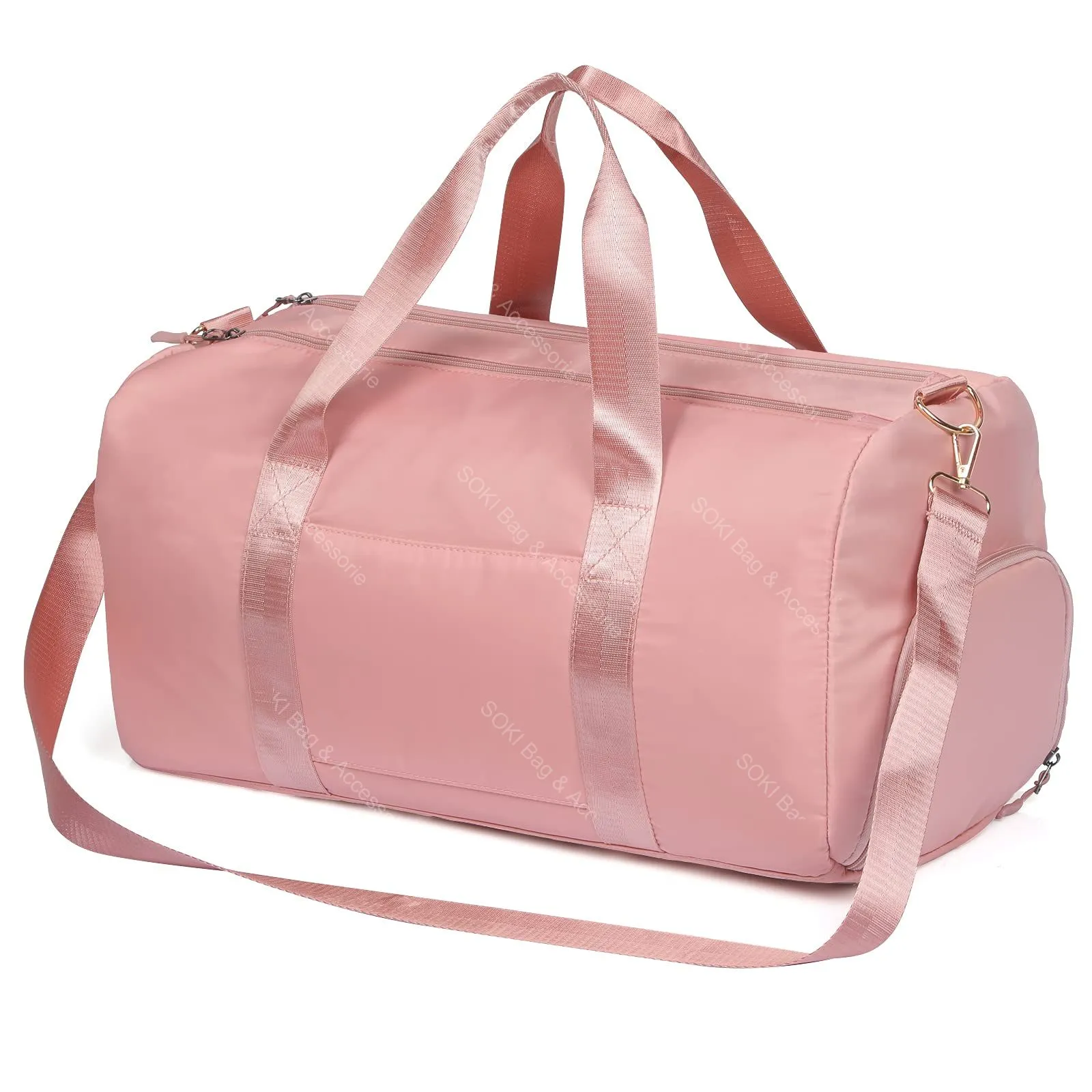
When businesses ask a Canvas Bags with Custom Logo Factory for help, they are usually trying to avoid common failures: logo cracking after washing, weak color on dark fabric, slow production, or blurred edges on fine text. This is not just a design question. It is a production question, a quality control question, and a brand presentation question. In practice, a well-chosen printing method can improve logo readability, reduce rework, and help a bag meet the expected use life for events, shopping, or giveaways. For example, factories often test print adhesion, wash resistance, and color fastness before shipment, because those numbers tell buyers more than adjectives ever can.
A professional Canvas Bags with Custom Logo Factory usually offers several printing methods, each with a different purpose. The most common are screen printing, heat transfer printing, digital printing, embroidery, and sometimes sublimation on coated or polyester-blend canvas materials. The right method depends on the fabric color, logo complexity, order size, and budget.
Screen printing is one of the most used methods for canvas bags because it is cost-effective for medium and large orders. The process pushes ink through a mesh screen onto the fabric. It works best for bold logos, simple shapes, and 1–4 spot colors.
Typical technical points:
For buyers, this means screen printing is a strong choice if the logo is simple and the order is large. It usually gives a dense, solid look on cotton canvas. If your brand wants a classic promotional bag with clear logo presence, this method is often the first option a factory will recommend.
Heat transfer uses printed film or transfer paper and then bonds the image to the bag with heat and pressure. It is useful when the logo has fine lines, gradients, or many colors.
Common process numbers:
Heat transfer is helpful when a design has photo-like detail or a small text line that screen printing may blur. However, buyers should know that very thick transfer layers can feel less breathable and may show edge lift over time if the material is low grade. A good factory will test peel strength and edge adhesion before mass production.
Digital printing is the best fit for full-color artwork, complex gradients, and artwork that changes often. It does not need a screen, so setup is faster.
Useful production facts:
This method is often chosen for boutique brands, art events, and limited collections. It is especially useful when a business wants to test a new design before scaling up. If the goal is a flexible custom logo canvas tote bags wholesale order with many design variations, digital printing can save time in sampling.
Embroidery uses threads to form the logo directly on the canvas bag. It gives a raised, textured look and works well for premium branding.
Key technical points:
Embroidery is popular for premium gifts, fashion retail bags, and corporate welcome kits. It usually costs more than printing, but it can make the logo feel more durable and high-end. For a brand trying to signal quality, this is often worth the extra cost.
Sublimation is not suitable for all canvas fabrics. It works mainly on polyester or special coated surfaces. The ink turns into gas under heat and bonds into the surface layer.
Important details:
If a buyer wants bright, colorful artwork, sublimation can work well, but it is not the first choice for standard cotton canvas. A factory should confirm fabric composition before recommending this method.
The best method depends on four factors: logo design, order quantity, fabric color, and end use. Instead of guessing, buyers should match the method to the job.
For example:
A practical way to decide is to ask your factory for three things:
A reliable factory will usually provide test data such as:
These numbers matter because they show whether the logo will stay readable after use. If the logo cracks or fades after a few washes, the bag loses marketing value fast.
Custom canvas bags are used in many fields because they combine utility with branding. The main applications include retail packaging, trade shows, school events, bookstores, supermarkets, cafes, corporate gifts, and NGO campaigns.
Retailers use printed canvas bags as purchase add-ons or loyalty gifts. Compared with disposable bags, canvas creates repeated exposure. If a customer carries the bag 20 times, the logo gets 20 more public impressions. That is why many brands see canvas bags as a low-cost offline media channel.
At exhibitions, a logo bag helps visitors carry brochures, samples, and catalogs. A good bag should support at least 5–10 kg of load for daily trade-show use. Many factories test seam strength and handle pull strength before shipment, because weak seams can fail under repeated use.
Schools often use logo bags for enrollment packs, sports events, and graduation gifts. In this setting, clear text and durable stitching matter more than flashy effects. Screen printing and embroidery are often preferred because they stay readable and simple.
Independent stores often want a bag that matches their brand tone. A matte cotton canvas bag with a small logo can support a premium image while also reducing packaging waste. For these buyers, the printing method should not overpower the design.
For campaigns, the bag is often used as a mobile message board. A large logo area and strong color contrast help the message spread. A factory can adjust print size, placement, and ink thickness depending on the target audience.
The importance of custom logo canvas bags comes from measurable business value.
First, they are reusable. A standard canvas bag made from 10 oz to 12 oz cotton canvas usually offers better reusability than thin single-use packaging. Many businesses use them because a reusable bag can stay in circulation for months, which extends brand exposure.
Second, they support brand recall. In marketing terms, repeated visual contact matters. A bag that is carried repeatedly can create more impressions than a one-time flyer. While results depend on audience and frequency, the practical benefit is easy to understand: the logo stays visible longer.
Third, they reduce waste. Many companies are replacing disposable bags with reusable canvas options as part of sustainability goals. This is not only a branding choice but also a procurement decision tied to material use and customer perception.
Fourth, they offer flexible customization. A good Canvas Bags with Custom Logo Factory can adjust dimensions, handle length, fabric weight, lining, zipper style, and print area. That gives brands room to match product style with budget.
Common production specifications buyers ask for include:
These numbers help buyers compare products in a clear way.
If you want consistent results, quality control is just as important as printing. A dependable factory usually checks several points before shipment.
The factory should inspect:
For cotton canvas, shrinkage control is important because fabric may change size after washing or heat treatment. Factories often pre-wash or pre-shrink the material to reduce this risk.
The logo should be checked for:
A common practice is visual inspection under controlled light. Some factories also use color measurement tools to compare sample and mass production.
Sewing quality affects bag life more than many buyers expect. Key points include:
If a bag is used for heavy items, reinforced seams and cross-stitch handles can greatly improve durability.
A serious factory may perform:
These tests are not just for show. They help prevent returns, protect the brand, and reduce customer complaints.
To keep the process smooth, buyers can follow a simple path.
Ask where the bag will be used. Retail, events, gifts, and school use all need different print methods.
Vector files such as AI, EPS, or PDF are usually best for printing. For digital printing, high-resolution PNG or TIFF files may also be accepted. If the logo has small text, the file should be checked at actual size.
A sample helps confirm:
Ask for wash, rub, and load test results if the order is for retail or repeated use.
Once the sample is approved, the factory can begin bulk production. A clear approval process reduces mistakes.
Before shipping, confirm carton count, print quality, sewing consistency, and packing method.
This process saves time because it prevents repeated redesign and production rework.
If the order is large and the logo is simple, screen printing is usually the most cost-effective. If the design is colorful and the quantity is small, digital printing is often better. If the brand wants a premium look, embroidery can be the right answer. If the design has fine detail and the budget is moderate, heat transfer is worth considering.
In real projects, factories often combine methods. For example, a bag may use screen printing for the main logo and embroidery for a small icon. This mixed approach can balance cost, speed, and brand image.
From a production standpoint, the best choice is the one that passes testing, fits the budget, and matches the brand purpose. That is why an experienced Canvas Bags with Custom Logo Factory does not just print. It helps clients choose the right process from the start.
If you are planning a new order, the next step is simple: read the user guide, prepare your logo file, and request a sample from a trusted factory. If you want to compare methods, ask for screen printing, digital printing, embroidery, and heat transfer sample options side by side. That makes the choice easier and reduces risk.
For buyers looking for stable quality and practical customization, SUKI can be a useful starting point for further understanding or trial. When you contact the supplier, share your use case, target quantity, fabric preference, and desired print effect. Then ask for test data, sample photos, and production lead time. With that information, it becomes much easier to choose the best custom logo canvas bag solution for your brand.
A: The most common printing methods include screen printing, heat transfer printing, digital printing, embroidery, and sublimation. The choice depends on factors such as logo design, order size, and fabric type.
A: To choose the right method, consider your logo's complexity, the order quantity, fabric color, and the intended use of the bags. Consulting with a reliable factory can help clarify the best option.
A: We typically support low minimum order quantities, especially for digital printing and heat transfer methods, which are ideal for smaller batches.
A: Yes, we conduct various quality control tests, including wash and rub tests, and can provide you with detailed test results to ensure the durability of the printed designs.
A: We offer flexible customization options, including various fabric weights, dimensions, handle lengths, and print areas to meet your specific needs.
Related News

Why MOQ Matters When Choosing a Canvas Bags Factory
Aug. 12, 2026
Navigation
Navigation
Products
Products
Contact Us
Contact Us
E-mail: soki@sokibag.com
E-mail: Jean@chinasuki.com
WeChat: xiong8555
Mobile: +86 135 8867 7739
Mobile: 0095 099 7951 9999
Tel.: (Cambodia) +855 025 210 212
Add.: Prey Pdao Village,Trapeang Kong Commune, Samrong Tong District, Kampong SpeuProvince, Kingdom of Cambodia
Add.: East Dagon Industrial zone, NO.(55/3 ) Daw phwar shin street, east dagon myothit township, Yangon Region, Myanmar
Add.: 2F East, Building A, No. 53 West Jinshi Avenue, Shiling Town, Huadu District, Guangzhou, Guangdong, China
Add.: Building 2, 490 Chengdian Road, Yiwu City, Zhejiang Province, China


