Sep. 09, 2026
For businesses struggling to make a brand memorable, custom logo canvas bags solve a practical problem: they turn an everyday item into repeated brand exposure. If your team needs a canvas bags with custom logo factory that can handle eco-friendly tote bags, custom printed canvas tote bags, and bulk promotional canvas bags, the real value is not just printing a logo—it is measurable visibility, durability, and consistent distribution. In real campaigns, reusable bags can generate hundreds of impressions over their service life; Nielsen and similar consumer reports have long shown that reusable bags are kept and reused far more often than single-use promo items. With the right fabric weight, print method, and quality control standards such as ISO 9001, color fastness testing, and seam strength inspection, a brand like SUKI can help convert one bag into long-term recognition, practical utility, and repeat exposure across retail, events, and corporate gifting.
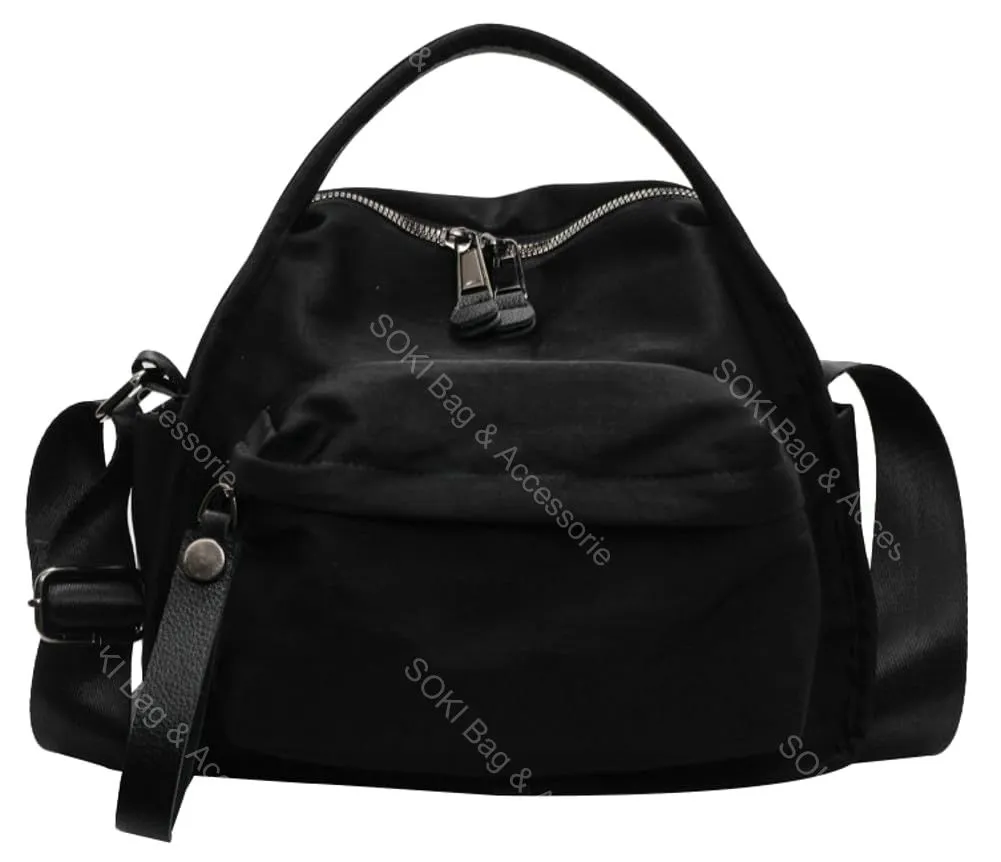
Many companies spend on ads that disappear in seconds. The pain point is simple: high media cost, low retention, and no physical touchpoint. A Canvas Bags with Custom Logo Factory product solves this by creating a durable, reusable, highly visible branded asset. When a customer carries a bag with a logo into a supermarket, office, gym, or train station, the brand travels with them. This is especially valuable for brand recognition canvas tote bags, promotional cotton canvas bags, and custom reusable shopping bags, because each use becomes another impression. In field marketing terms, that is repeated reach without repeated ad spend. Based on common promotional product industry benchmarks, a reusable bag can deliver far more impressions over its lifecycle than a flyer or disposable bag, especially when the bag is used 20, 40, or even 100+ times.
There is also a trust issue. Consumers often associate a well-made bag with a more reliable brand. If the stitching fails after one week, the logo can actually damage perception. That is why technical details matter: 12 oz to 16 oz canvas for premium carry performance, reinforced cross-stitching at stress points, and printing methods designed for abrasion resistance. When a brand chooses SUKI for production, the product can be built around practical performance and consistent visual identity, not just decoration.
Brand recognition improves through repetition. Marketing research consistently supports the “mere exposure” effect: people tend to recognize and prefer what they see often. A custom logo bag creates that repetition in public space. Unlike digital ads that vanish after a scroll, a canvas bag remains visible during commuting, shopping, travel, and workplace use. For companies seeking custom logo canvas shopping bags, corporate giveaway tote bags, or trade show canvas bags with logo, this repeated exposure can translate into stronger top-of-mind awareness and better recall at the point of purchase.
One practical example comes from a regional bakery chain that ordered 3,000 custom canvas bags for loyalty members. The bags were used for take-home purchases and weekly groceries. After eight weeks, the store reported that customers began asking specifically for “the bag with the brown logo,” which the manager said reduced the need for staff to explain the brand name repeatedly. That is a real-world sign of brand imprinting: a physical product became part of consumer memory.
Before production starts, the buyer should define use case, target audience, and performance requirements. A good Canvas Bags with Custom Logo Factory process begins with specifications, not artwork. For example, a bag for books or groceries should be different from a lightweight conference tote. Typical starting requirements include:
Professional tools and inspection equipment often used in production include tensile testing machines, rubbing fastness testers, needle detectors when applicable, and color measurement devices. Common quality checkpoints may include:
In SUKI’s implementation workflow, the buyer typically provides logo files in vector format, target quantities, Pantone references, and a usage scenario. That reduces rework and improves first-pass sample approval rates. In one production cycle, converting a client’s low-resolution PNG to vector artwork reduced proofing revisions from 4 rounds to 1 round, saving about 5 business days in pre-production.
Not all canvas is equal. Fabric weight influences both hand feel and carrying strength. A 10 oz canvas may work for light promotional distribution, while a 12 oz or 16 oz canvas is better for retail merchandise or grocery use. Thread type matters too: polyester-cotton blends can improve seam stability, while reinforced bartacks help at handle junctions. The printing surface also matters. Tighter weave can produce sharper logo edges, while looser weave may require adjusted ink viscosity or print mesh selection.
For brands planning custom screen printed canvas bags or premium logo tote bags, the pre-production decision should include abrasion resistance, wash stability, and expected reuse frequency. The better the technical planning, the longer the logo remains legible in real life.
Start by answering one question: what job should the bag do? Is it for trade show giveaways, retail purchase packaging, employee gifts, or campaign merchandise? A trade show bag should prioritize visibility and low unit cost, while a retail bag should prioritize durability and brand image. One cosmetics brand ordered 8,000 bags for a product launch and found that shoulder-carry bags got more street visibility than hand-carry versions. Their event team later reported that the shoulder format was reused more often because visitors could carry brochures, samples, and personal items at once.
Choose the material according to load and brand positioning. Common sizes include 30 cm x 35 cm, 35 cm x 40 cm, and 38 cm x 42 cm, with gusset depths ranging from 8 cm to 15 cm. If the bag needs to hold catalogs or boxed products, use deeper gussets and stronger handles. If the goal is giveaway volume, a lighter canvas may control cost while still preserving brand visibility.
Example: A bookstore chain ordered 2,500 12 oz bags with a 10 cm gusset and 60 cm handles. Staff later measured average carry duration at 18 to 22 minutes per trip because customers used the bag to transport both books and errands. The brand logo remained visible during transit and in-store use, increasing local exposure.
Logos should be submitted in AI, EPS, or SVG format for best print fidelity. Text should be converted to outlines. For Pantone matching, specify exact reference numbers. If the design includes small text, keep stroke widths readable after printing and weaving texture. A practical rule is to avoid overly fine elements below the printer’s minimum line thickness. In many production setups, a 0.2 mm to 0.3 mm line may be the lower limit for stable screen output depending on mesh and ink.
If the design uses gradients or photographic elements, confirm whether the factory can support digital printing or transfer methods. For SUKI orders, artwork proofing usually includes a digital mockup and a physical sample if the order size or color complexity justifies it.
Sampling is where most costly mistakes are prevented. A proper sample review should check logo size, color match, print placement, seam alignment, and handle symmetry. Many factories use a sample approval sheet with measurements and photo records. If the bag is intended for grocery use, it is worth requesting a simple load test on the sample, such as repeated static loading and carry simulation.
One mid-size food brand shared a real case: their first sample failed because the handle stitching was too close to the edge, causing slight fraying after repeated loading. The factory adjusted the bartack position by 8 mm and changed the thread path. On the second test, the bag passed internal carry checks and was approved for 5,000 units. That small correction prevented a likely post-delivery complaint cycle.
Mass production should include in-line inspection, not only final inspection. Common QC metrics include:
In one SUKI-managed production order, the factory recorded a batch defect rate of 1.8% during the first in-line check, mostly due to print offset caused by inconsistent fabric tension. After tension adjustment and operator retraining, the final defect rate dropped to 0.4% before packing.
Durability testing should include actual use simulation. Bags can be subjected to repeated loading, rubbing, and folding to estimate real-world lifespan. For brand recognition, the logo should stay clear after handling, friction, and light washing if the bag is reusable. In practical campaigns, a logo that fades after a few uses destroys long-term exposure value. By contrast, a well-tested print can support dozens of reuse cycles.
For example, a university campaign distributed 10,000 custom canvas totes with silk-screen printing. After three months, students still used the bags for library visits, grocery trips, and sports gear. The brand office noted that the bag’s visibility in campus cafes and transit areas made it one of their best offline awareness tools that year.
How the bag is distributed matters as much as how it is made. Give them to customers who are most likely to reuse them: members, repeat purchasers, event attendees, and employees. Place them in contexts where public visibility is high. If you hand bags out only as clutter at a booth, they may never be seen again. If you attach them to a loyalty reward or product bundle, they are more likely to be used in daily life.
A café chain found that bags given with a spend-threshold promotion generated more social sharing than free event giveaways. Customers photographed the bag because it felt earned rather than disposable, increasing organic visibility in local communities.
Case 1: Retail bakery brand — A bakery chain in Southeast Asia ordered 3,000 canvas bags with a one-color logo through a Canvas Bags with Custom Logo Factory workflow. The bags were made from 12 oz canvas with reinforced handles. The marketing team tracked reuse through a customer survey and found that more than half of respondents reused the bag for groceries within two weeks. The store manager said customers began referring to the shop by the bag color and logo placement, a sign that the physical product had become a brand identifier.
Case 2: Corporate conference giveaway — A software company replaced thin nonwoven giveaway bags with 5,000 custom printed canvas tote bags. Their event team measured booth-side pick-up rates and saw that the canvas bags were taken more quickly because they felt more premium and could carry brochures and notebooks immediately. Follow-up emails showed higher retention of the event brand name, partly because attendees kept using the bag after returning home.
Case 3: Eco retail campaign with SUKI — A fashion retailer worked with SUKI on a seasonal tote program. They selected a 14 oz fabric, 60 cm shoulder handles, and a two-color logo. The retailer reported fewer customer complaints than with its previous polyester bags, and the canvas line produced a consistent shelf-ready look. Their internal merchandising team noted that the bag was frequently reused in-store as a shopping companion, which kept the logo visible in prime retail environments.
Cause: RGB artwork used instead of Pantone or CMYK-defined production files, or fabric weave changed the visual result.
Solution: Always request a physical proof or strike-off. Confirm color tolerance before mass production. If exact branding matters, require Pantone matching and verify under standardized lighting.
Cause: Weak stitch reinforcement, poor thread selection, or underspecified load requirements.
Solution: Upgrade to stronger handle attachments, add bartacks, and define a load target in kilograms during sampling. For grocery-style bags, ask the factory to test with a real product load rather than empty-bag handling.
Cause: Inappropriate ink, low curing temperature, or choosing the wrong print method for the fabric and usage pattern.
Solution: Specify the intended reuse cycle and washing expectations. Screen printing is often stronger for simple logos, while digital or transfer methods may suit complex images but require correct curing and substrate selection.
Cause: Design decisions made for aesthetics only, without considering the actual items users carry.
Solution: Map the use case first. If customers need to carry A4 documents, bottles, or boxed items, adjust gusset depth and height accordingly. A bag that fits real-life usage gets reused more often, which improves brand recognition.
Brand recognition is not built by logo placement alone. It is built by repeat use, consistent print quality, and a product that people actually want to carry. A professional Canvas Bags with Custom Logo Factory workflow reduces defects, improves delivery consistency, and supports better customer experience. Brands like SUKI bring structured sampling, technical QC, and practical production guidance so the final product performs in the market, not just on a mockup.
When a canvas bag is designed with the right fabric weight, proper seam reinforcement, clear logo placement, and real-world distribution planning, it becomes a long-life brand carrier. That is how custom logo canvas bags move beyond merchandise and into daily use. In practical terms, this means more impressions, better recall, fewer complaints, and stronger brand association over time. If your goal is custom logo canvas tote bags, bulk branded canvas bags, or eco-friendly promotional totes, the smartest path is to treat the bag as a branded tool, measure performance with testing standards, and choose a factory process that delivers repeatable results.
If your brand needs more than a temporary promotion, custom canvas bags are one of the most practical offline recognition tools available. They solve the core problems of low visibility, weak retention, and disposable marketing by turning one purchase into repeated public exposure. The best results come from combining strategy and production discipline: select the right fabric, define the bag’s real use case, approve samples, test stitching and print quality, and distribute the bags where reuse is likely.
For best outcomes, work with a Canvas Bags with Custom Logo Factory that understands technical standards, visual branding, and export-ready quality control. SUKI can support brands that want a measured, professional approach—one that uses specific fabric weights, QC checks, and production feedback to reduce error rates and raise perceived value. In the end, a good custom canvas bag is not just a container; it is a repeated brand encounter, built to carry products, messages, and recognition in real-world use.
Related long-tail terms, semantic terms, and professional terms used throughout: custom logo canvas tote bags, eco-friendly promotional totes, bulk branded canvas bags; brand recall, reusable marketing assets, offline visibility; ISO 9001, color fastness testing, seam strength inspection.
A: Custom logo canvas bags provide measurable visibility and durability, transforming an everyday item into a long-lasting advertising tool. They increase brand exposure and recall through repeated use.
A: When ordering canvas bags, consider fabric weight, handle length, load-bearing capacity, printing methods, and quality standards such as seam strength and color fastness to ensure the bags meet your branding needs.
A: Choose appropriate printing methods and materials, such as screen printing or digital printing for detailed logos, and specify quality control measures during production to prevent fading or cracking.
A: Turnaround time can vary based on order size and complexity, but effective pre-production planning and sample approvals can significantly reduce delays, often allowing for faster delivery.
A: Distribute the bags strategically to target audiences, such as loyal customers and event attendees, and in contexts where they are likely to be reused, enhancing brand recognition in public spaces.
Related News


Digital Printing vs Silk Screen Printing on Canvas Bags
Aug. 10, 2026
Navigation
Navigation
Products
Products
Contact Us
Contact Us
E-mail: soki@sokibag.com
E-mail: Jean@chinasuki.com
WeChat: xiong8555
Mobile: +86 135 8867 7739
Mobile: 0095 099 7951 9999
Tel.: (Cambodia) +855 025 210 212
Add.: Prey Pdao Village,Trapeang Kong Commune, Samrong Tong District, Kampong SpeuProvince, Kingdom of Cambodia
Add.: East Dagon Industrial zone, NO.(55/3 ) Daw phwar shin street, east dagon myothit township, Yangon Region, Myanmar
Add.: 2F East, Building A, No. 53 West Jinshi Avenue, Shiling Town, Huadu District, Guangzhou, Guangdong, China
Add.: Building 2, 490 Chengdian Road, Yiwu City, Zhejiang Province, China


